



Mechanical Manufacturing

Case Studies
- Home
- Case Studies
- Aerospace Manufacturing
Application of laser cutting machines in the aerospace manufacturing industry
The aerospace industry has extremely high requirements for material properties, component precision, and process reliability. Laser processing technology, with its high precision, high stability, and high efficiency, has become one of the indispensable key processes in aerospace manufacturing, and is widely used in many fields such as aircraft structural components, engine components, aerospace piping, and composite material processing.
I. Structural component processing
Metal sheet and composite material cutting
Aerospace components often utilize composite materials such as aluminum alloys, titanium alloys, high-strength steel, and carbon fiber. Laser cutting offers excellent machining accuracy and a minimal heat-affected zone.
- Suitable for thin sheets and high-strength materials
- Maintain smooth edges and reduce post-processing
- Ensure part dimensional stability and weight control
Common applications include: wing skin, fuselage outer panels, cockpit structural components, precision brackets, etc.
II. Aerospace Piping and Hollow Component Manufacturing
Aerospace systems utilize a large amount of tubing, such as fuel lines, hydraulic lines, and air conditioning lines. Laser tubing cutting technology can achieve the following:
- High-precision hole and end face machining
- Easily handle complex weld bevels
- Maintain high consistency and meet aerospace standards
It helps improve the sealing, safety, and pressure resistance of pipelines.
III. Engine and Key Component Manufacturing
Aerospace engine components include precision parts such as turbine blades, combustion chambers, and guide vanes, which must withstand extreme temperatures and pressures. Laser processing can provide:
Laser welding
- High weld strength and small thermal deformation
- Suitable for high-temperature alloys and thin-walled parts
- Improve component reliability and service life
Laser micro-hole fabrication (e.g., cooling holes)
- Suitable for turbine blade cooling holes and combustion chamber ventilation holes
- Micrometer-level precision, irreplaceable by traditional processing.
IV. Rapid Prototyping and Digital Manufacturing
Aerospace R&D is characterized by long cycles and high costs; laser equipment can significantly improve development efficiency.
- Rapid prototyping cutting and weldingTo facilitate design verification
- Highly flexible productionQuickly switch between parts types
- Support small batchHigh customization requirements
It is ideally suited to the diverse, high-precision, and small-volume needs of the aerospace industry.
V. Improve quality and reduce costs
Laser processing brings clear benefits to aerospace manufacturing:
- Improve the precision, strength and consistency of parts
- Reduce processes and decrease material waste
- Integration with automated equipment reduces human risk.
- Reduce thermal deformation and processing defects, and improve yield.
Recommended equipment
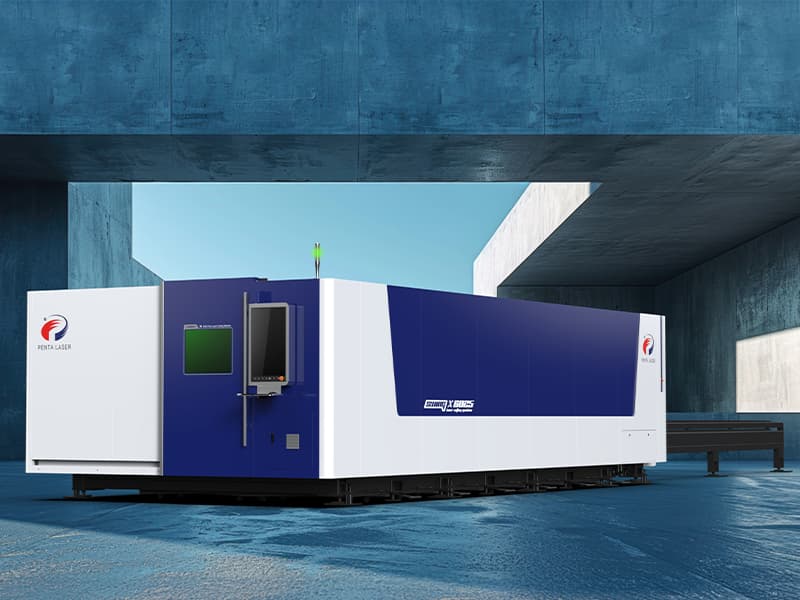
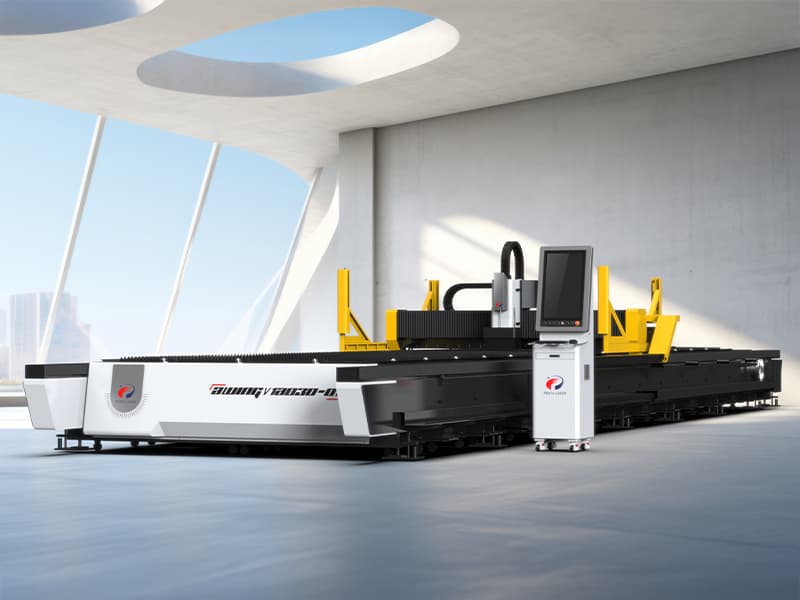
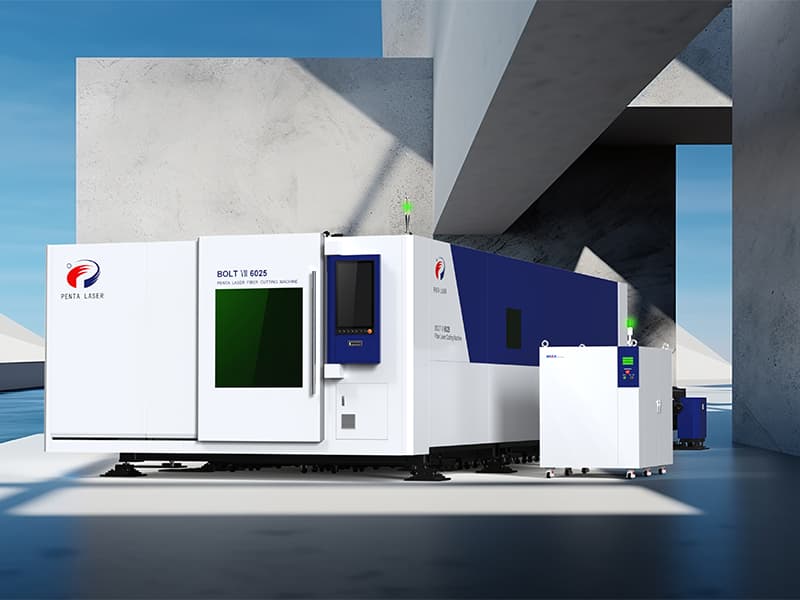
- Flat laser cutting machine
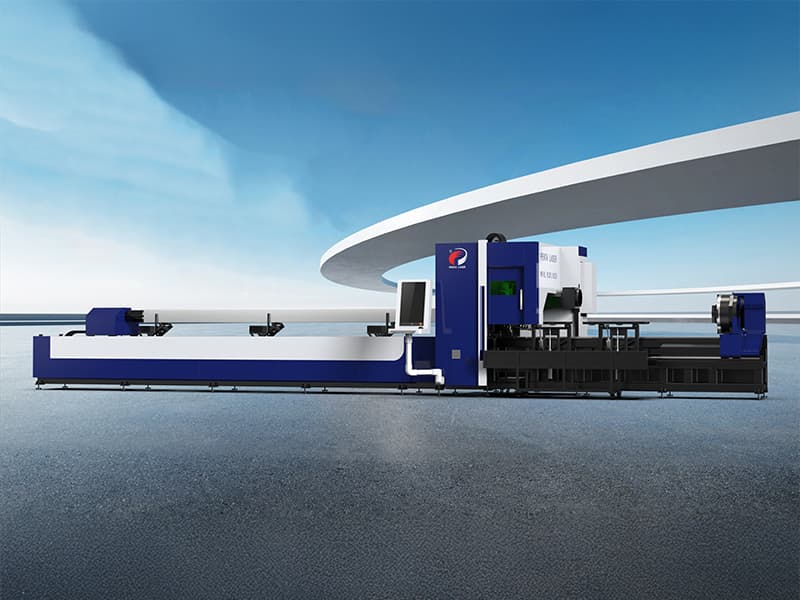
- Laser pipe cutting machine
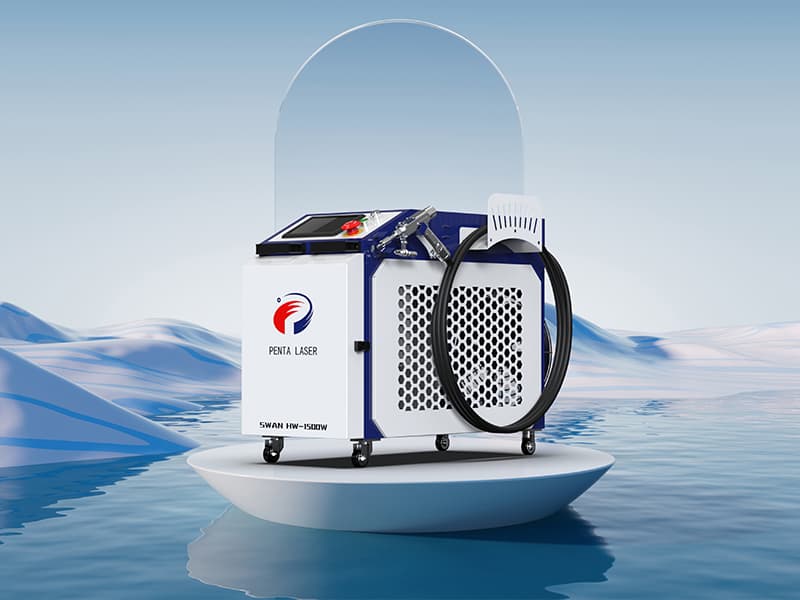
- Laser welding machine
- 3D 5-axis laser cutting machine
- Automated Aerospace Manufacturing Solutions