



Mechanical Manufacturing

Case Studies
- Home
- Case Studies
- Automotive Parts
Applications of laser cutting machines in automotive parts
Laser processing technology plays a crucial role in the automotive manufacturing industry. From body structure and exterior parts to powertrain components, laser cutting and laser welding can be seen everywhere. Its high precision, high efficiency, and automation characteristics make it an indispensable core equipment in modern automotive production lines.
Laser Cutting
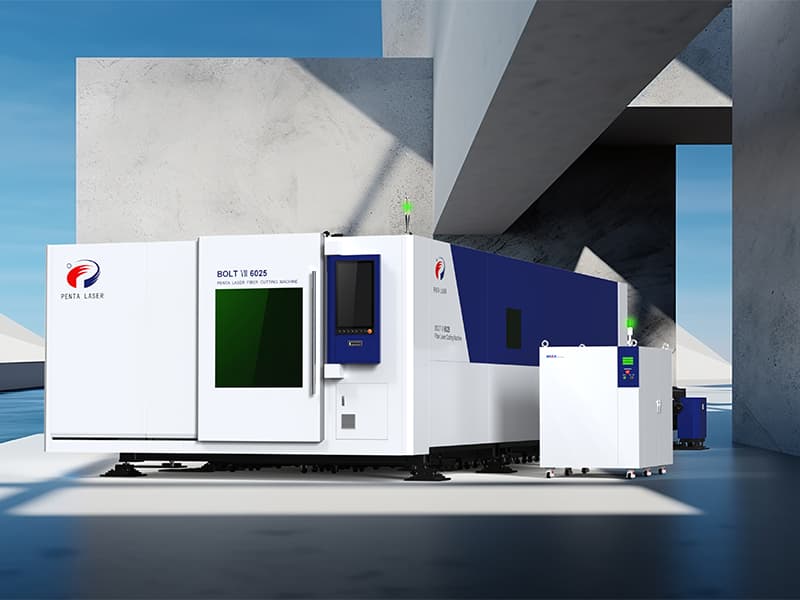
Laser cutting is widely used in the manufacturing of automotive parts, including body frames, door panels, rear cargo boxes, roofs, exhaust systems, and power battery trays.
Its processing advantages are as follows:
- High precision, high quality:It can easily handle complex curves and challenging shapes.
- Non-contact processing:To prevent workpiece deformation under stress and improve the consistency of finished products.
- High efficiency and excellent material utilization:Effectively reduces the need for consumables and subsequent repairs.
Laser Welding
Laser welding technology is particularly mature in the automotive body-in-white (BIW) stage and is also commonly used for critical metal parts such as gears, engine valves, and brake calipers.
Its welding advantages:
- High weld strength, minimal deformation, and excellent sealing performance
- Suitable for welding thin plates and high-precision components
- It can be used with automated equipment for high-speed production.
Benefits of laser processing to the automotive industry
I. Reduce production costs
- Improve material utilization:Precise cutting reduces waste.
- Optimize the manufacturing process:High levels of automation reduce labor costs and shorten overall working hours.
II. Improve product quality
- Precise dimensions and excellent surface quality
- The welding is strong and safer.
III. Accelerating Product Development Cycles
- Rapid prototyping:Shorten the time required for new product development.
- Flexible production:Specifications or batch sizes can be quickly adjusted according to market demand.
IV. Improve production safety and environmental protection
- Non-contact processing reduces the risk of human occupational hazards.
- Less pollution and easier waste management align with environmental protection trends.